Limassol Is Not Finished Yet — And That Is Exactly the Point
8 min read
On this page
There is a version of the Limassol story that most people already know. The Mediterranean climate. The marina. The tax incentives that drew a wave of technology companies and their well-compensated employees. The waterfront restaurants that fill every evening regardless of the season. For many buyers and investors who arrived in the last five years, this was the pitch — and by most measures, the pitch delivered.
But that version of the story is incomplete. And the gap between what Limassol has become and what it is actively becoming may represent the most significant opportunity in the city's recent history.
The city is still mid-transformation
Most European cities complete their major urban transformation and then spend decades managing the results. Limassol is doing something different: it is simultaneously consolidating what it has built while laying the foundations for a second, more structurally ambitious chapter.
The evidence is visible in the planning approvals, the infrastructure investments, and the development pipeline. The former industrial coastal strip at Tsiflikoudia — once dismissed as post-industrial dead space — is now the subject of one of the most consequential urban regeneration programmes in the eastern Mediterranean. The former SODAP factory site is being converted into a landmark public and cultural destination. Aktaia Odos, a new coastal road directly linking Limassol Marina to the Port, is redefining accessibility for an entire district. These are not speculative proposals. They are funded, approved, and underway.
At the same time, Polemidia — long regarded as a functional but unremarkable residential zone — is being repositioned by a cluster of major education investments. The €125 million expansion of Cyprus University of Technology, new student accommodation at scale, and the development of the International Jewish Academy of Excellence are creating a demand corridor that will sustain rental performance in that area for a generation.
When a city is genuinely mid-transformation, the buyers who arrive before the transformation completes are the ones who capture the most significant returns. That window does not stay open indefinitely.
Why the regeneration thesis is different this time
Property markets in peripheral or emerging cities often carry a straightforward regeneration narrative: infrastructure arrives, values rise, investors profit. Limassol's current cycle is more layered than that, and understanding the distinction matters.
The city's growth over the past decade was driven primarily by demand-side factors: corporate relocations, professional migration, and the structural attractions of Cyprus's fiscal framework. That demand created pressure on existing housing stock and accelerated price growth, but it did not fundamentally reshape the physical city.
What is happening now is supply-side regeneration — a deliberate effort to create new urban fabric in districts that were previously underutilised or disconnected. The difference is significant. Demand-driven growth tends to raise prices uniformly across a market. Supply-side regeneration creates specific, locatable value uplift in the districts where new infrastructure and amenity are concentrated.
For buyers who understand this distinction, the implication is clear: the question is no longer simply whether to buy in Limassol, but where within Limassol to position capital as the city's next districts come into their own.
The rental market is growing up
Alongside the physical transformation, Limassol's residential rental market is maturing in ways that reward serious long-term investors.
For most of the past decade, the rental market here was dominated by short-term lets serving seasonal tourism and the early waves of corporate relocations. These produced reasonable yields but little stability. Contract lengths were short, tenant profiles were transient, and vacancy risk was real.
That structure is changing. The city's resident professional population has grown considerably, and with it the demand for long-term, high-quality rental accommodation. Tenants today are typically salaried employees of established international companies, multi-year residents rather than transient arrivals. They want properties that function as homes — well-designed, professionally managed, and appropriately specified.
This shift has created the conditions for a genuine build-to-rent sector in Limassol — an asset class that has transformed investment returns in comparable cities across Europe but has been slow to develop in Cyprus due to the historical dominance of short-term let models.
The economics are compelling. Multi-year tenancies reduce void periods, lower management costs, and produce income profiles that are significantly more predictable than the holiday let market. In a city where the corporate tenant base is growing, the fundamentals for this model are now firmly in place.
SquareOne is building Limassol's largest private build-to-rent portfolio precisely because we believe these conditions are durable, not cyclical. The 500+ homes we are delivering in 2026 — across waterfront, urban, and emerging residential districts — have been designed from the ground up for this market: efficient layouts, quality specifications, and professional management baked in from day one.
Affordability is a feature, not a concession
One of the most persistent misconceptions about Limassol is that affordability and quality are in tension — that a meaningful price point necessarily means a compromise on specification, location, or long-term value.
The developments we have brought to market over the past eighteen months challenge that assumption directly. Entry prices from €190,000 in a city with Limassol's economic fundamentals are not a concession to a constrained budget. They are a deliberate design decision, driven by the understanding that the health of a residential market depends on a functioning supply of homes that the city's own residents can actually afford to buy and rent.
A city that prices out its working professional population is not a city in good health — it is a city developing a dependency on a narrow class of buyers whose presence is contingent on conditions that can change. Limassol has the opportunity to avoid that trap. A coordinated pipeline that delivers scale, quality, and accessibility is not just good social policy. It is good investment strategy, because it sustains the broad demand base that supports long-term values across the market.
The buyers who benefit most from affordably priced, well-located new stock in a growing city are not just the first occupants. They are the investors who hold these assets as the city matures around them.
What it means to build differently
SquareOne's positioning in Limassol has always been premised on the idea that the most interesting question in property development is not what the market currently values, but what it will value when the work is done.
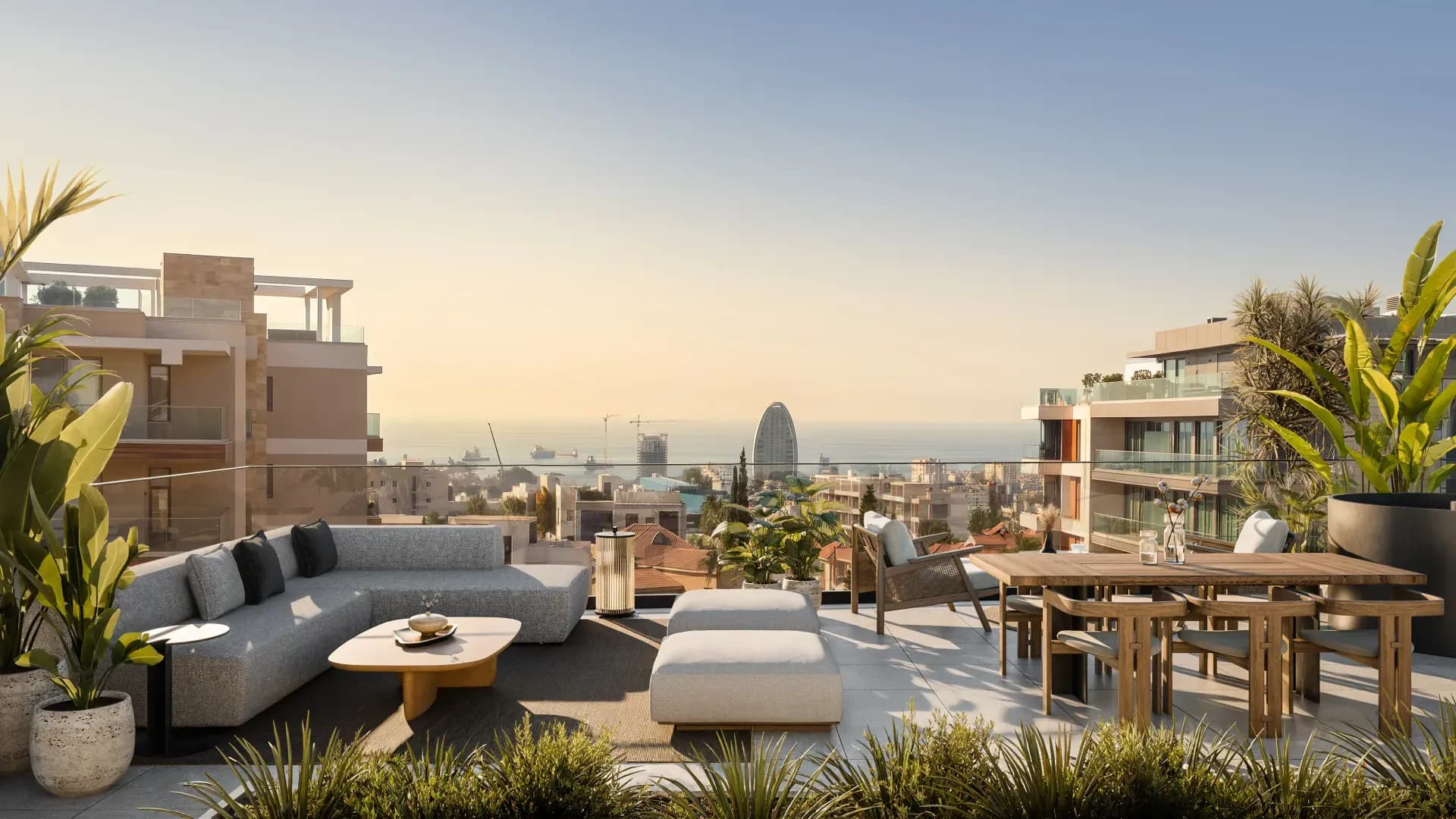
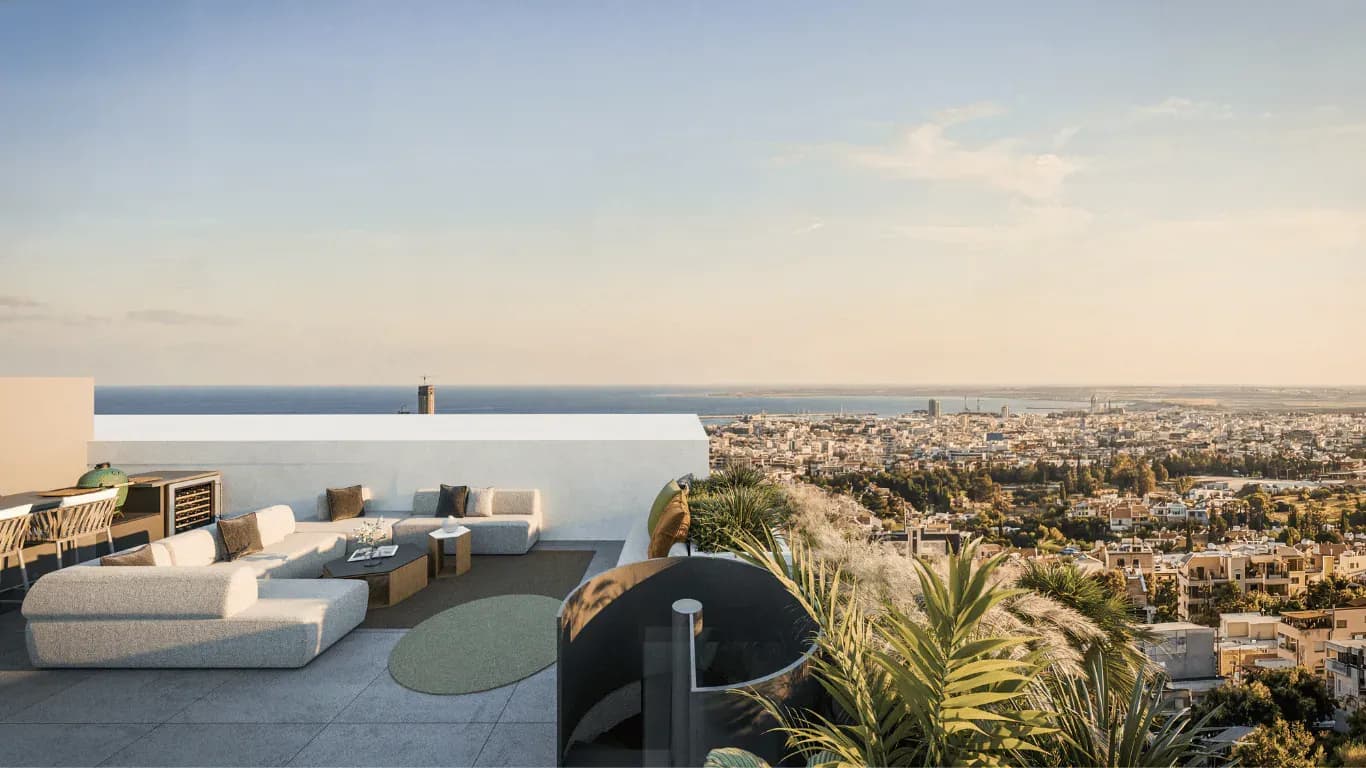
The Docks at Tsiflikoudia is a case in point. When we committed to that site, the district had none of the amenity profile that a conventional investor assessment would require. What it had was proximity to a transforming waterfront, a planning framework that signalled serious institutional intent, and an entry price that reflected the current reality rather than the future one. Fifty metres from the beach, adjacent to what will become one of Limassol's most significant public destinations, with a rooftop amenity profile designed for urban professionals — it is the kind of asset that makes sense when you understand what the district is becoming rather than only what it currently is.
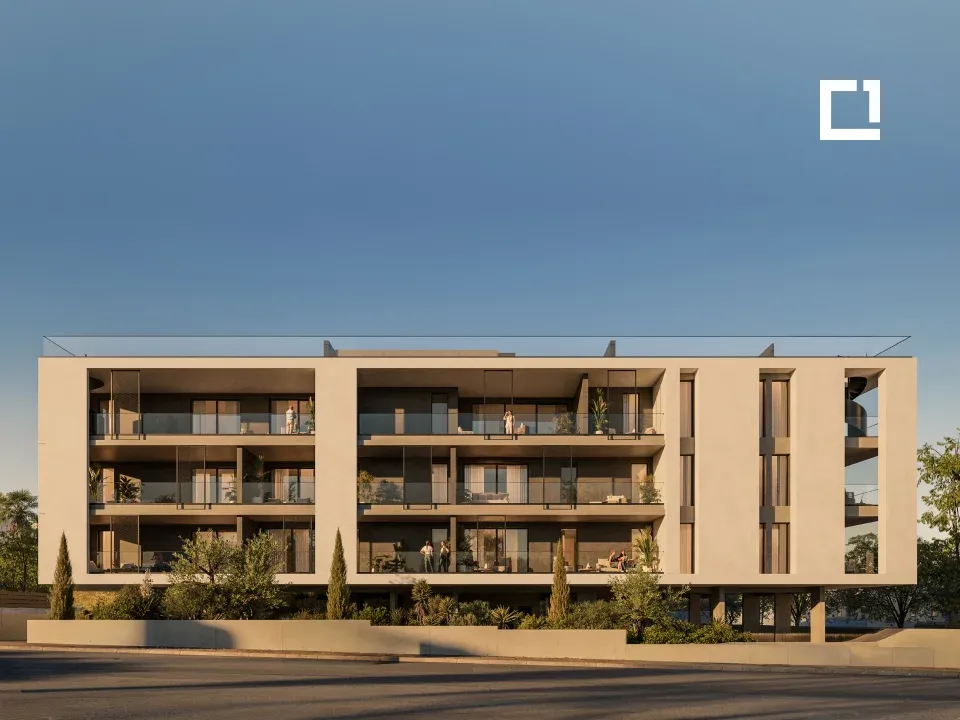
The Collection, by contrast, is a different type of conviction. Located in the historic centre, close to Anexartisias Street and within walking distance of the marina, it occupies a part of the city that has always been desirable but has historically lacked the residential product to match its location. With close to 50 per cent of units sold and construction commencing this year, it is delivering a long-overdue urban residential offer in one of Limassol's most enduring addresses.
These two projects sit at different points on the city's map and serve different buyer profiles, but they share a common logic: they are positioned at the intersection of what the city is actively becoming and what serious buyers will want to own when it gets there.
The honest case for now
This is not an argument for urgency as a sales device. It is an observation about the mechanics of regeneration cycles.
The most attractive entry points in any transforming urban market exist in the period between the credible commitment to change and the completion of that change. Before the commitment, the thesis is speculative. After the completion, the value uplift has already occurred and is priced into the market. The window between those two moments — when plans are funded and underway but the physical reality has not yet arrived — is where patient, informed buyers have historically captured the most durable returns.
Limassol is in that window. The commitments are funded. The infrastructure is under construction. The demographics that will sustain long-term residential demand are accumulating rather than levelling off. The pipeline of quality residential stock is growing, but it is not unlimited — and the sites that combine location, specification, and accessible pricing are being absorbed.
The city is not finished yet. For buyers who understand what that means, that is exactly the point.
Explore SquareOne's 2026 development pipeline at squareone.com.cy/en/projects